
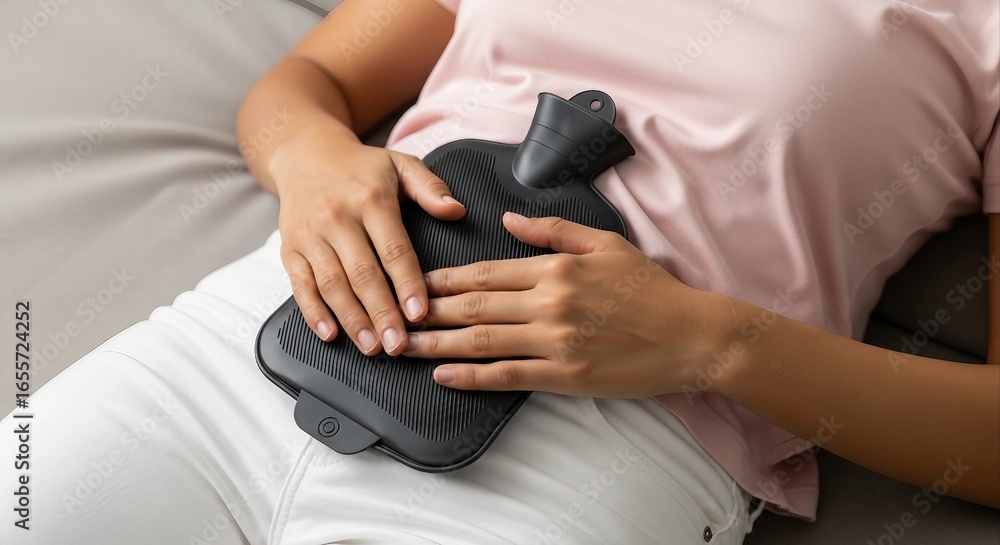
Dreams of hot-water bags filled to the brim and tucked near aching tailbones. Feet up on soft
cushions on the sofa at home. Slipping into an afternoon nap without worrying about staining
clothes, losing dignity at work, or losing money for taking a day off.
For many working women in Karnataka, these dreams suddenly feel a little closer with the
government announcing paid menstrual leave.
And of course, this makes the other gender, still the majority in most workplaces, quietly
wonder: Why?
I’m sure many men, with all their “logical” sincerity, are thinking or asking,
“Do you really need a leave for this?”
What most of them don’t realise is how little they know about what “this” does to our bodies
and minds, even today.
It also makes us women pause and wonder:
Why have we so rarely spoken about menstrual pain to our partners—on those romantic
evenings under the moonlight, over candlelight dinners? Why have we never slipped in a
practical question:
“Are you prepared to live with a person who goes through this kind of pain regularly?”
Why did we value ourselves so little that we didn’t even think our pain deserved conversation
space in the living room? Why didn’t our mothers teach us how to talk about period pain, not
just how to silently manage it?
We grew up learning endurance, not entitlement to convenience.
In middle-class homes, we were told inspiring stories:
of P.T. Usha running and winning medals during her period,
of Sudha Murty attending engineering college at a time when even basic facilities
like toilets were missing.
These are powerful stories of grit, but the message we absorbed was always the same:
Be brave. Bear it. Don’t complain.
The insistence was on enduring pain, not on demanding comfort.
Can women, even today, enjoy all the conveniences that men take for granted? Men often
embrace the idea of equality when it comes to earning, when women bring money home.
But equality that asks them to understand a pain that isn’t theirs? That’s a harder sell.
So equality is often taken, not given.
Menstrual pain itself is rarely centre-stage. It’s hardly written about in our books, rarely
shown in our films. Think of our favourite Bollywood stories—DDLJ to Gully Boy—how
many show what a woman goes through on a bad period day?
Most Indian men don’t know that passing a hot-water bag on a period day can be a deeply
romantic gesture. Supporting menstrual leave for the women in their lives can be as
loving as a surprise gift.
That ignorance stings. It makes us frown and quietly ask ourselves:
Was our health, our pain, ever truly valued by the men we love?
Did they care for us as much as they cared for themselves?
But if we’re honest, there is another truth:
We ourselves never really learnt to care for our own pain.
So perhaps this is where we begin.
Let’s treat this paid menstrual leave not just as a policy, but as an invitation:
to rest without guilt, to talk openly about pain without shame, to ask for comfort without feeling “weak”.
Let this be the start of moving from silent suffering to vocal dignity.
Let’s become our own heroes—not only by enduring pain, but by demanding convenience,
respect and humane working conditions.
It is a big step by the government towards a more equal world:
a more comfortable work life for women,
which can mean more women staying and growing in the workforce,
which, in turn, nudges us towards a more gender-equal society.
Somewhere in Sarjapur, somewhere in another corner of Bengaluru, I’m sure many of us
Women are feeling the same mix of emotions—relief, hope, and the familiar confusion in
men’s hearts as they try to understand what this all means.
Maybe that confusion is a good sign. It means a conversation has finally begun.

 Bangalore Stories: Life, Love & Laughs